
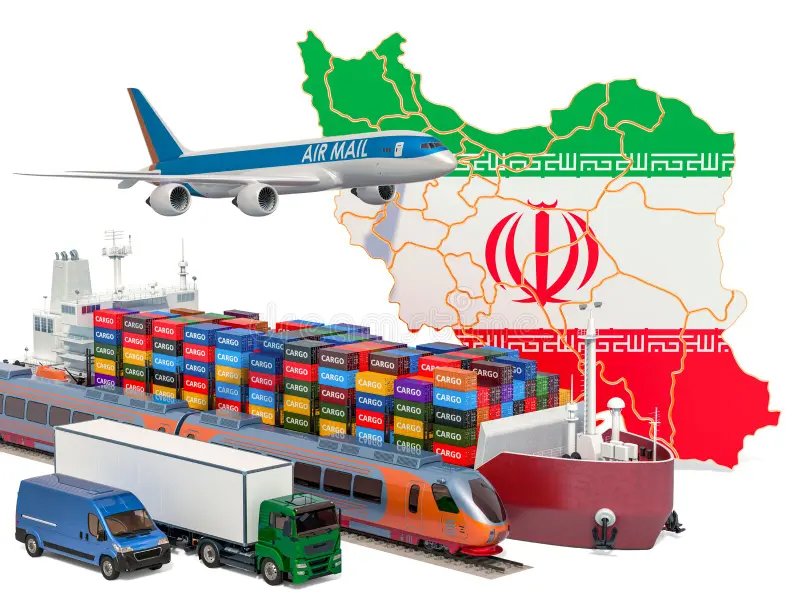
Iran is a strategic trade hub in the Middle East, connecting Asia, Europe, and regional markets through established air, sea, land, and rail corridors. Whether you are shipping industrial equipment, consumer goods, or commercial cargo, you must navigate complex logistics, customs procedures, and regulatory requirements.
This guide provides an in-depth look at freight to Iran, covering shipping methods, costs, customs clearance, documentation, restricted goods, and the benefits of working with a professional freight forwarding company like Lianvisman.
What You Need to Know About Freight to Iran
Shipping freight to Iran requires careful coordination between carriers, customs brokers, and freight forwarders. Due to strict customs controls and documentation requirements, planning ahead is essential to avoid delays and unexpected costs.
Before you ship, it helps to understand:
The best shipping method for your cargo (air, sea, land, or rail)
Required customs documents and import procedures
Cost drivers that affect your final freight rate
Common challenges (sanctions, payments, port congestion)
How to select a reliable freight forwarder
With the right strategy and support, international freight to Iran can be smooth, compliant, and cost-effective.
Freight Options to Iran (Air, Sea, Land & Rail)
Choosing the right freight method depends on cargo type, delivery urgency, and budget. Below are the most common shipping solutions used for freight to Iran.
Air Freight to Iran
Air freight is the fastest option for shipping cargo to Iran, with typical transit times ranging from 2 to 7 days depending on the origin and airline schedules. Major airports such as Imam Khomeini International Airport (IKA) in Tehran and Mashhad International Airport handle international cargo efficiently.
Air freight is best for:
Medical supplies and pharmaceuticals
Electronics and high-value products
Urgent automotive parts
Time-sensitive commercial shipments
Advantages of Air Freight
Fast delivery and reliable scheduling
Higher security and reduced handling risk
Lower risk of damage compared to long-haul sea shipping
Challenges of Air Freight
Higher cost per kilogram
Chargeable weight rules (volumetric weight)
Strict documentation and customs clearance requirements
If speed is your priority, air freight is often the most practical solution for freight to Iran.
Sea Freight to Iran
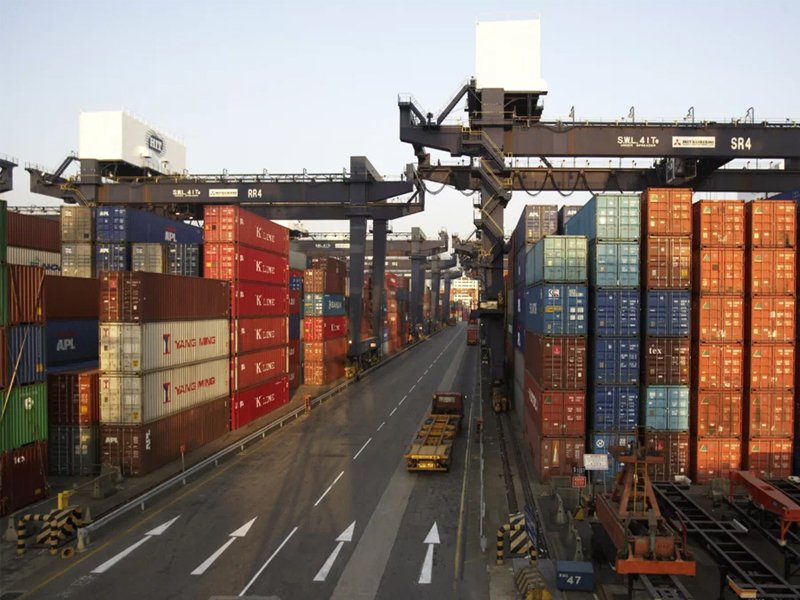
Sea freight is the most economical choice for heavy, bulky, or large-volume shipments. Iran’s major ports include Bandar Abbas, Imam Khomeini Port, and Chabahar Port, all of which handle a significant volume of global trade.
Shippers typically choose between:
| Sea Freight Option | Best For | Key Benefit | Typical Transit |
|---|---|---|---|
| FCL (Full Container Load) | Large shipments | Dedicated container | Moderate |
| LCL (Less than Container Load) | Small/medium cargo | Shared container cost | Longer |
Advantages of Sea Freight
Cost-effective for large volumes and heavy goods
Multiple container sizes (20ft, 40ft, high cube)
Ideal for machinery, raw materials, and non-urgent cargo
Challenges of Sea Freight
Longer transit times (often several weeks)
Possible port congestion and customs delays
Inland transport may be needed after arrival
For cost-sensitive shipments, sea freight remains the most popular option for freight to Iran.
Land Freight to Iran
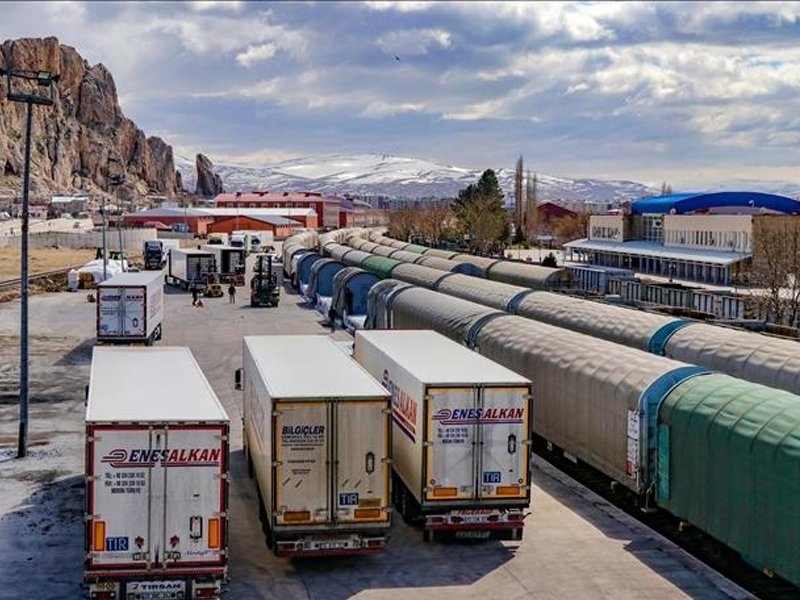
Land freight is a practical and efficient choice for cargo coming from neighboring countries such as Turkey, Iraq, Pakistan, and the UAE. Iran has an established road network that supports regional trade and cross-border trucking.
This method is ideal for:
Regional trade shipments
Palletized cargo and commercial goods
Deliveries requiring direct trucking routes
Benefits of Land Freight
Faster than sea freight in many cases
More affordable than air freight
Flexible routing and direct delivery options
Challenges of Land Freight
Border clearance delays due to regulations
Vehicle weight limits and restrictions on certain goods
Weather and road conditions affecting transit
For many logistics markets, land freight is also referred to as Ground Freight, especially when cargo is moved primarily by truck across borders.
Rail Freight to Iran
Rail freight can be a valuable alternative for specific cargo categories and trade routes. It is commonly used for heavy industrial goods, bulk cargo, and long-distance regional trade.
Rail freight offers:
Lower costs compared to air freight
Better stability than road freight for large shipments
Efficient trade corridors linking Asia and Iran
While not suitable for all cargo types, rail can be a strong option when time, cost, and reliability must be balanced.
Key Routes & Main Gateways for Freight to Iran
Choosing the right entry point and route can significantly reduce transit time and inland transportation costs. Iran’s geography provides multiple gateways for international freight.
Major Air Gateways
Imam Khomeini International Airport (IKA), Tehran
Mashhad International Airport (MHD)
Major Seaports
Bandar Abbas (primary commercial port)
Imam Khomeini Port
Chabahar Port (strategic southern corridor)
Key Land Corridors
Turkey → Bazargan border route
UAE → Bandar Abbas corridor
Iraq → western Iran routes
Selecting the right gateway depends on your cargo type, shipping origin, and final delivery destination within Iran.
Freight Cost to Iran: What Affects the Final Price?
Freight pricing depends on more than just distance. To budget accurately, importers must understand the main cost drivers and how each shipping mode is priced.
Key Factors That Influence Freight Costs
Cargo weight and dimensions (especially for air freight)
Shipping method (air, sea, land, or rail)
Origin and route selection
Service model (door-to-door vs port-to-port)
Terminal handling charges (THC) and port fees
Customs duties and taxes
Insurance coverage
Storage fees and inspection delays
Demurrage/detention (mainly for sea freight)
Freight Cost to Iran: What Affects the Final Price?
Freight pricing depends on more than just distance. To budget accurately, importers must understand the main cost drivers and how each shipping mode is priced.
Key Factors That Influence Freight Costs
Cargo weight and dimensions (especially for air freight)
Shipping method (air, sea, land, or rail)
Origin and route selection
Service model (door-to-door vs port-to-port)
Terminal handling charges (THC) and port fees
Customs duties and taxes
Insurance coverage
Storage fees and inspection delays
Demurrage/detention (mainly for sea freight)
Pricing Comparison Example
| Cargo Example | Shipping Mode | Main Cost Driver |
|---|---|---|
| 500 kg electronics | Air Freight | Chargeable weight |
| 10 tons machinery | Sea FCL | Container rate + port fees |
| 3 pallets regional cargo | Land Freight | Truck type + border fees |
To avoid hidden charges, many businesses request a full quote that includes handling, customs support, and inland delivery.
Iran Customs Clearance: Step-by-Step Process
Customs clearance is one of the most critical stages in freight to Iran. Even a small documentation error can cause delays, inspections, or unexpected costs.
Step 1: HS Code Classification
Correct HS code classification determines:
Import duty rate
Required permits
Product restrictions and compliance requirements
Step 2: Document Preparation
Most shipments require the following documents:
Commercial Invoice
Packing List
Bill of Lading (for sea freight) or Air Waybill (for air freight)
Certificate of Origin (for certain goods)
Import permits and licenses (if required)
Step 3: Customs Declaration and Inspection
Customs authorities may:
Review declared value and product description
Verify HS code accuracy
Conduct physical inspections
Step 4: Duties, Taxes, and Final Release
Import duties are typically calculated based on CIF value (Cost + Insurance + Freight). Once duties and taxes are paid, the shipment can be released for delivery.
Working with a freight forwarder experienced in Iranian customs can significantly reduce clearance risks.
Restricted Goods & Compliance Considerations
Iran’s import market operates under strict regulatory requirements. In addition, international trade regulations can affect certain cargo categories.
Common restricted or regulated goods include:
Medical devices and pharmaceuticals
Industrial chemicals
Dual-use items and advanced machinery
Battery-powered products and electronics components
To avoid shipment holds, it is recommended to:
Verify import requirements before shipping
Ensure accurate classification and documentation
Work with a forwarder that performs compliance screening
Packaging & Cargo Preparation for Iran Shipments
Proper packaging reduces the risk of damage and improves customs efficiency. It also prevents unnecessary re-handling at terminals and warehouses.
Recommended Packaging Best Practices
Use palletization for heavy or stacked cargo
Apply clear labeling and cargo marks (origin, destination, handling)
Reinforce cartons for long transit shipments
Protect fragile goods with shock-absorbing materials
Seal documentation in waterproof pouches
For high-value cargo, insurance is strongly recommended.
Shipping Services to Iran: Door-to-Door vs Port-to-Port
Different service models suit different shipping needs. The best option depends on your experience level and how much control you want over logistics.
| Service Model | Who Manages Logistics? | Best For |
|---|---|---|
| Door-to-Door | Freight forwarder manages end-to-end | Importers seeking simplicity |
| Port-to-Port | Importer manages inland delivery | Experienced businesses |
| Port-to-Door | Shared responsibility | Balanced approach |
Door-to-door freight to Iran is often preferred by businesses that want predictable timelines and fewer coordination issues.
Common Challenges in Freight to Iran (And Practical Solutions)
Freight to Iran comes with unique challenges. However, most issues can be managed with proper planning and experienced support.
Sanctions and Trade Restrictions
Challenge: Certain goods and financial transactions may be restricted.
Solution: Always verify compliance before shipping and use forwarders with experience in Iran trade regulations.
Payment and Currency Exchange Issues
Challenge: Some international banks limit transactions related to Iran.
Solution: Work with logistics partners familiar with legal trade structures and secure payment pathways.
Customs Delays
Challenge: Clearance delays can occur due to paperwork errors or inspections.
Solution: Ensure accurate documents, correct HS code classification, and professional customs handling.
Infrastructure and Seasonal Disruptions
Challenge: Port congestion or seasonal road issues may delay transit.
Solution: Plan ahead, track shipments, and select reliable routes and gateways.
Why Choose Lianvisman for Freight to Iran?
Choosing the right freight forwarder can be the difference between smooth delivery and costly delays. Lianvisman provides end-to-end logistics solutions for international freight to Iran, including air, sea, land, and rail options.
Businesses looking for the Best Freight Forwarder Company in Iran typically prioritize compliance expertise, transparent pricing, and full-service logistics support—especially when shipping under complex import regulations.
Lianvisman offers:
Expert knowledge of Iranian customs and documentation
Air, sea, land, and rail freight services
Competitive pricing and route optimization
Secure handling and cargo tracking
Reliable coordination from origin to final delivery
Conclusion
Shipping freight to Iran requires strategic planning, accurate documentation, and choosing the most suitable transport mode. Whether you ship by air for speed, sea for cost efficiency, or land for regional flexibility, understanding the logistics process helps prevent delays and unexpected expenses.
By working with a trusted freight forwarding company like Lianvisman, businesses can streamline freight operations and ensure safe, compliant, and efficient cargo delivery.
FAQs
Sea freight is usually the most cost-effective option for large or heavy cargo, especially when shipping via FCL containers.
Air freight is the fastest shipping method, commonly delivering within 2–7 days depending on the origin and flight schedules.
Bandar Abbas is the most commonly used port for commercial imports due to its high capacity and strong inland connections.
Air freight pricing is based on chargeable weight, which is determined by comparing actual weight and volumetric weight.
The most common reasons include HS code mistakes, incomplete documentation, restricted goods, and customs inspections.
Yes. Land freight is widely used for shipments from Turkey, UAE, Iraq, and Pakistan, depending on cargo type and border procedures.
A certificate of origin is required for some products, depending on the cargo type and Iranian import regulations.
Yes. Insurance is strongly recommended for high-value shipments, sea freight cargo, and goods that may require multiple handling stages.
FCL uses a full container for one shipper, while LCL shares container space with other shipments, making it suitable for smaller cargo volumes.
Look for experience with Iranian customs, transparent pricing, strong carrier networks, and the ability to manage end-to-end logistics.

