
Shipping cargo to Iran requires careful planning, familiarity with import regulations, and the selection of a suitable transportation method. As one of the key markets in the Middle East, Iran maintains extensive trade connections with many countries across Asia, Europe, and neighboring regions. Whether you are a business exporting commercial goods or an individual sending personal belongings, understanding the available shipping options, customs procedures, and operational challenges can help ensure a smoother and more efficient shipping experience.
In this article, we explore the main aspects of shipping cargo to Iran, including transportation methods, container shipping, customs requirements, common challenges, and the importance of working with an experienced freight forwarding company.
Shipping Methods to Iran
There are several ways to transport cargo to Iran, depending on the nature of the goods, the shipping budget, and the required delivery time. The most common methods include air freight, sea freight, and land transportation.
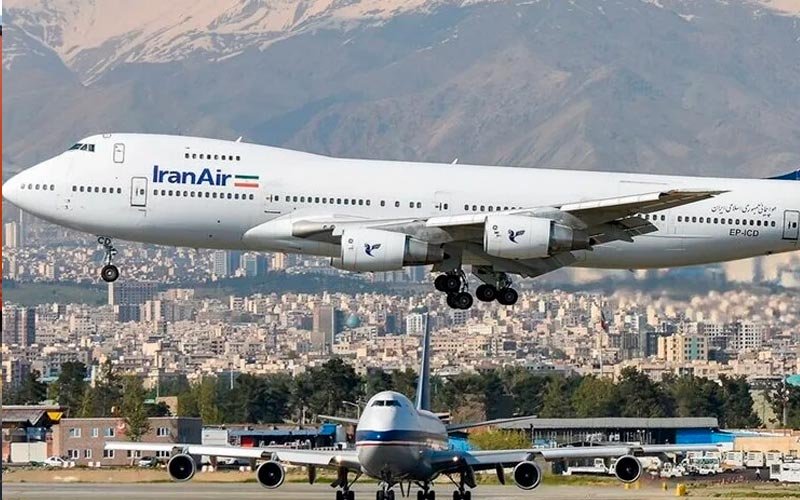
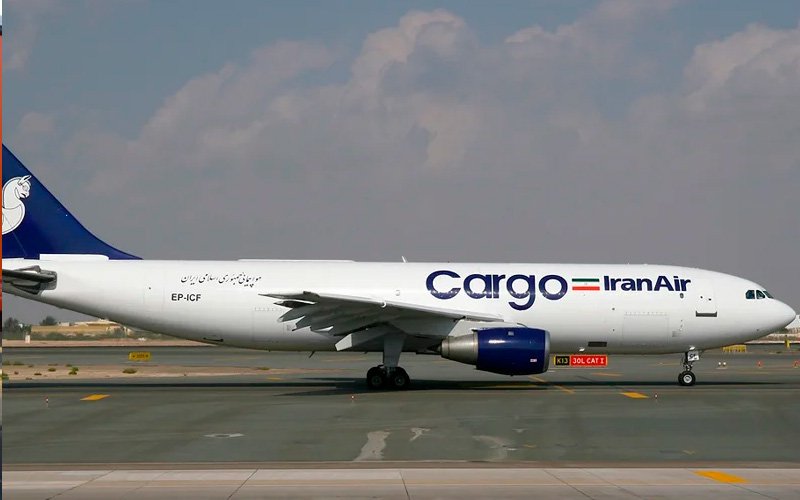
Air freight is the fastest shipping method for cargo to Iran, but it is generally also the most expensive. It is best suited for high-value, urgent, or time-sensitive shipments such as pharmaceuticals, electronics, spare parts, and luxury products. Iran has several international airports that handle incoming cargo, with Imam Khomeini International Airport (IKA) in Tehran being one of the main gateways for air freight.
Although air transport offers shorter transit times, businesses should also consider factors such as weight limitations, cargo handling requirements, and higher shipping costs before choosing this method.
Sea freight is one of the most cost-effective solutions for transporting large volumes of cargo to Iran. It is especially suitable for bulk goods, commercial shipments, industrial materials, and non-urgent cargo. Iran’s key ports, including Bandar Abbas, Bandar Imam Khomeini, and Chabahar, play a major role in handling international ocean freight.
Businesses shipping by sea can usually choose between Full Container Load (FCL) and Less than Container Load (LCL) services, depending on shipment volume. While sea freight is generally more economical than air transport, it also requires longer transit times and careful planning.
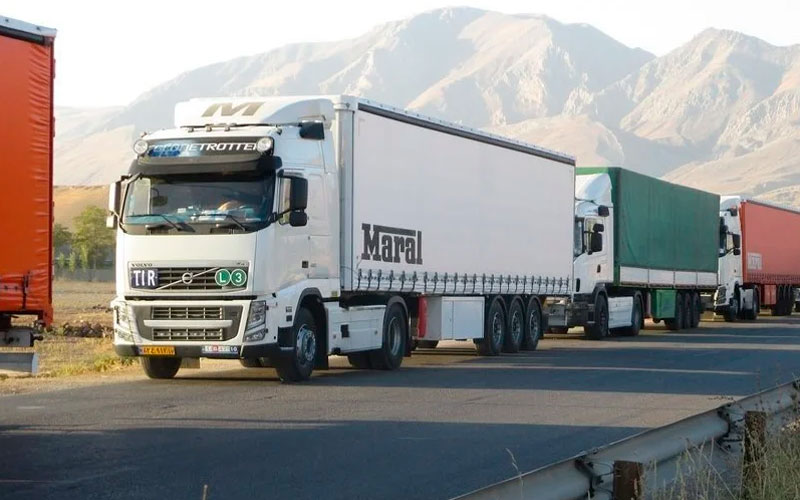
For cargo originating from neighboring countries or regional trade corridors, land transportation can be an efficient and practical option. Iran has road connections with countries such as Turkey, Iraq, Pakistan, and Armenia, making truck-based transport an important method for regional trade. In some cases, rail transport may also be used as part of the logistics chain.
Land freight can offer a useful balance between cost and transit time, particularly for shipments moving from nearby countries into Iran.
Shipping Containers to Iran
Shipping containers to Iran is a major part of international trade, especially for businesses moving commercial goods, industrial equipment, consumer products, and raw materials. Most containerized cargo is transported in 20-foot or 40-foot containers, depending on the nature and volume of the shipment.
Major Iranian ports such as Bandar Abbas and Bandar Imam Khomeini serve as important entry points for containerized cargo arriving from countries such as China, India, the UAE, Turkey, and several European markets. Depending on shipment size, importers may choose FCL for exclusive container use or LCL when sharing container space with other cargo.
Container shipping offers efficiency and scalability, but it also requires proper planning, accurate documentation, and awareness of port procedures and import regulations.
Customs Regulations and Required Documents
One of the most important aspects of shipping cargo to Iran is compliance with customs regulations. Importers and exporters must ensure that shipments meet the relevant legal and procedural requirements to avoid unnecessary delays, penalties, or additional charges.
Some key points to consider include:
- Import restrictions: Certain goods may be restricted or prohibited from entering Iran, including specific controlled items and regulated products.
- Customs duties and taxes: Import tariffs vary depending on the cargo category, declared value, and applicable customs classification.
- Documentation requirements: Common shipping documents include:
- Commercial invoice
- Packing list
- Bill of lading
- Air waybill
- Certificate of origin
- Customs declaration forms
- Additional permits for specific goods where required
Accurate documentation is essential for smooth customs clearance and successful cargo delivery.
Challenges in Shipping Cargo to Iran
Although Iran remains an important trade destination for many businesses, shipping cargo to the country can involve several logistical and regulatory challenges.
Sanctions and Trade Restrictions
International sanctions and trade regulations can affect certain types of transactions, routes, and commercial relationships. Companies should always ensure compliance with the legal requirements that apply in their own country and in the countries involved in the shipping process.
Payment and Currency Issues
Cross-border payments related to Iran can sometimes be more complex than standard international transactions. Businesses may need to review available payment methods and financial arrangements carefully before finalizing a shipment.
Infrastructure and Operational Delays
While Iran has established port, airport, and road infrastructure, delays may still occur due to customs processing, terminal congestion, documentation issues, or seasonal fluctuations in cargo volume.
A clear logistics plan and proper coordination can help reduce many of these risks.
Why Working with an Experienced Freight Forwarder Matters
Given the operational, regulatory, and documentation-related complexities involved, working with an experienced freight forwarder can make a significant difference when shipping cargo to Iran.
A knowledgeable freight forwarding company can help by:
- Recommending the most suitable shipping method
- Assisting with shipping documents and customs procedures
- Coordinating transport routes and transit planning
- Reducing the risk of avoidable delays
- Providing guidance based on cargo type and destination
For businesses with recurring shipments or specialized cargo, professional logistics support can improve both efficiency and cost control.
Conclusion
Shipping cargo to Iran involves more than simply choosing a transport method. It requires an understanding of available freight options, container solutions, customs procedures, documentation requirements, and potential trade-related challenges. Whether cargo is moved by air, sea, or land, careful planning is essential to ensure smooth delivery.
By understanding the shipping process and working with an experienced logistics partner, businesses and individuals can improve reliability, reduce complications, and make better decisions when arranging cargo to Iran.
Need guidance for shipping cargo to Iran?
Lianvisman can help you review shipping options, documentation requirements, and suitable transport methods based on your cargo type and destination.
Contact our team for more information.
FAQs
The best shipping method depends on the type of goods, budget, and urgency. Air freight is the fastest option, ideal for time-sensitive shipments, while sea freight is cost-effective for bulk cargo. Land transport is also a reliable choice for shipments from neighboring countries.
Common documents include a commercial invoice, packing list, bill of lading (for sea freight) or air waybill (for air freight), and customs declaration forms. Some goods may require additional permits or certifications depending on Iranian regulations.
Yes, certain goods such as alcoholic beverages, weapons, and some pharmaceutical products are restricted or prohibited. It is essential to check Iran’s import regulations and ensure compliance before shipping.
To prevent delays, ensure all required documents are correctly completed, work with an experienced freight forwarder, and comply with Iranian import regulations. Partnering with a logistics company like Lianvisman can help streamline the customs clearance process and ensure a smooth shipment.